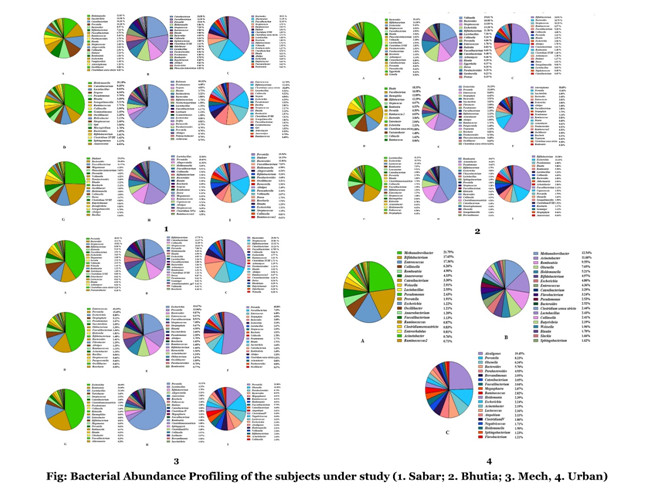
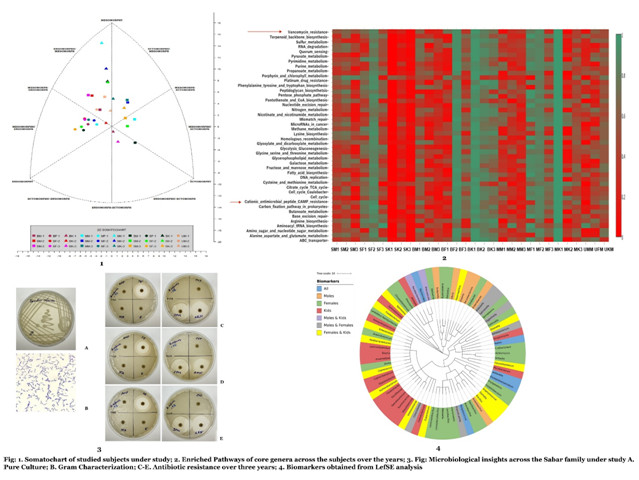
The study revealed significant insights into how different diets and lifestyles affect gut bacterial abundances. Tribes that maintain traditional lifestyles exhibit more diverse and stable gut microbiomes compared to urbanized populations. These differences were measured using metagenomic profiling and culture-dependent methods, allowing the identification of key bacterial genera present in the gut of each tribe.
Among the Sabar tribe, the most prevalent bacterial genera were Holdemanella, Catenibacterium, and Bifidobacterium. These bacteria are associated with plant-based diets and wild food consumption, typical of the Sabar’s reliance on forest produce. Interestingly, their bacterial profiles showed resistance to certain antibiotics, possibly due to exposure to environmental bacteria or through the consumption of specific animals, like catfish, which have been linked to the presence of drug-resistant strains.
The Bhutia tribe’s gut profile was dominated by Bacteroides, Blautia, and Faecalibacterium, genera that thrive on meat and dairy-rich diets. The presence of Bacteroides is linked to the breakdown of complex plant fibers and animal proteins, highlighting the Bhutia's high intake of both meat and fermented dairy products. Their gut microbiome also contains Bifidobacterium and Lactobacillus, both commonly found in individuals who consume fermented dairy products, suggesting that the Bhutia’s fermented food intake supports a healthy gut environment.
The Mech tribe also exhibited a diet-related bacterial profile, with the genera Prevotella, Streptococcus, and Catenibacterium dominating their gut. Prevotella, in particular, is linked to the breakdown of plant-based carbohydrates, which aligns with the Mech’s consumption of wild fruits and vegetables. Their bacterial profile showed less antibiotic resistance compared to the Sabar tribe, indicating minimal exposure to antibiotic-resistant bacteria. Urban subjects, in contrast, showed higher prevalence of genera like Methanobrevibacter, which has been associated with bloating and gastrointestinal issues. Their gut microbiomes were less diverse, indicating the impact of processed food consumption on reducing bacterial diversity.